
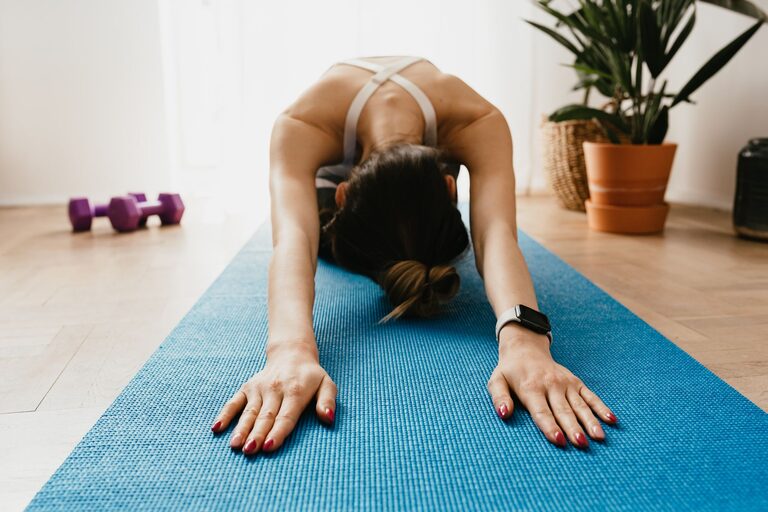
Stretching is a fantastic way to improve your flexibility, enhance circulation, and reduce muscle tension—all from the comfort of your home. Whether you’re new to exercise or looking to add some gentle movement to your daily routine, this beginner’s guide to stretching at home will help you get started safely and effectively.
Why Stretching Matters
Stretching isn’t just for athletes or yoga enthusiasts—it’s beneficial for everyone. Regular stretching can:
– Increase your range of motion
– Prevent injuries by preparing muscles for activity
– Reduce muscle stiffness and soreness
– Improve posture by balancing muscle groups
– Promote relaxation and reduce stress
Incorporating stretching into your day can help you feel more agile and comfortable in your body.
Getting Ready to Stretch at Home
Before you begin, it’s important to create a comfortable and safe stretching space:
– Choose a quiet spot: Find a place with enough room to move freely without obstacles.
– Wear comfortable clothing: Loose, stretchy clothes work best for mobility.
– Use a mat or towel: This provides cushioning, especially if you’ll be sitting or lying down.
– Hydrate: Drink water before and after your session.
– Warm up: A brief 5-minute warm-up, like walking in place or gentle marches, can prepare your muscles.
Basic Stretching Guidelines
To get the most from your stretching routine, keep the following tips in mind:
– Stretch both sides evenly to maintain balance.
– Never bounce during a stretch; use slow, steady movements.
– Hold each stretch for 15 to 30 seconds.
– Breathe deeply and relax into the stretch.
– Stop if you feel sharp pain or discomfort.
Beginner Stretching Routine
Here’s a simple stretching routine you can do at home. Aim to perform this sequence 3 to 4 times a week.
1. Neck Stretch
– Sit or stand tall.
– Slowly tilt your head to one side, bringing your ear toward your shoulder.
– Hold for 20 seconds, feeling the stretch along the side of your neck.
– Repeat on the other side.
2. Shoulder Stretch
– Bring your right arm across your chest.
– Use your left hand to gently press your arm toward your chest.
– Hold for 20 seconds, feeling the stretch in your shoulder.
– Repeat with the left arm.
3. Triceps Stretch
– Raise your right arm overhead and bend your elbow, reaching your hand toward your upper back.
– Use your left hand to gently push your right elbow.
– Hold for 20 seconds.
– Switch arms.
4. Cat-Cow Stretch (for spine flexibility)
– Get down on your hands and knees.
– Inhale and arch your back, lifting your head and tailbone (Cow).
– Exhale and round your spine, tucking your chin and tailbone (Cat).
– Repeat 5 times, moving smoothly between poses.
5. Hamstring Stretch
– Sit on the floor with one leg extended and the other bent, foot touching the inner thigh.
– Reach toward the toes of the extended leg, keeping your back straight.
– Hold for 20-30 seconds.
– Switch legs.
6. Quadriceps Stretch
– Stand next to a wall or chair for balance.
– Bend your right knee and grab your ankle behind you.
– Gently pull your foot toward your buttocks.
– Hold for 20 seconds.
– Repeat with the left leg.
7. Calf Stretch
– Stand facing a wall with your hands on the surface.
– Step one foot back, keeping it straight and heel on the ground.
– Lean into the wall until you feel the stretch in your calf.
– Hold 20 seconds.
– Switch legs.
8. Hip Flexor Stretch
– Kneel on your right knee with left foot in front, knee bent.
– Shift your weight forward slightly to stretch your right hip flexor.
– Hold for 20 seconds.
– Switch sides.
Tips for Staying Consistent
Making stretching a habit can be easier with these strategies:
– Schedule a regular time each day or week.
– Pair stretching with another routine, like after waking up or before bed.
– Use apps or videos for guided sessions.
– Keep a journal to track your progress and how you feel.
– Focus on areas that feel tight or sore to meet your body’s needs.
When to Be Careful
While stretching is generally safe, avoid it if you have specific injuries or health conditions without consulting a professional. If you experience pain, dizziness, or prolonged discomfort, stop the exercise and seek advice.
Final Thoughts
Stretching at home is a simple way to boost your overall well-being. Starting with gentle, consistent stretches can help you build flexibility, reduce stiffness, and enjoy better movement every day. Remember, the key is to listen to your body and make stretching a positive, enjoyable part of your routine.
Give this beginner’s stretching guide a try, and watch how it improves your comfort and mobility over time!